

6.38 mm laminated glass
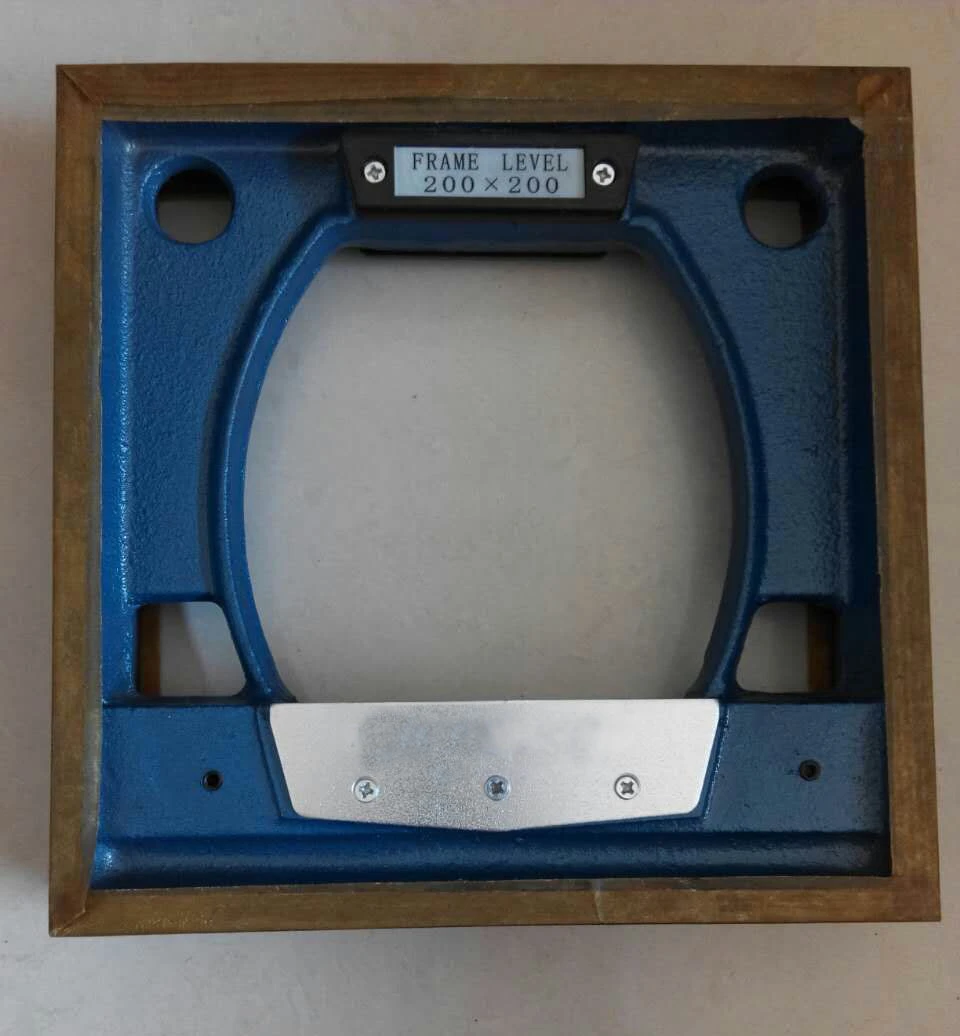
In precision manufacturing, construction, and engineering, a level measurement tool is a fundamental instrument for ensuring that surfaces and structures are perfectly aligned. A level measurement tool helps determine whether a surface is horizontal or vertical, providing the foundation for all subsequent measurements and adjustments. This tool is crucial in a variety of applications, from setting up machinery in a factory to ensuring that floors and walls in construction projects are level. The level measurement tool works by using gravity to determine the alignment of a surface. Most level measurement tools are equipped with a bubble vial, which is filled with liquid and includes an air bubble that moves to the highest point of the vial when the tool is not level. This simple yet highly effective design makes the level measurement tool essential for both everyday tasks and more intricate industrial operations. There are different types of level measurement tools , ranging from traditional spirit levels to more advanced digital versions that provide precise readings in real time. Digital level measurement tools allow for easier use in environments where higher precision is required. Whether you're aligning machines, installing shelves, or conducting more technical measurements, having the right level measurement tool ensures that every project starts on a solid, accurate foundation. Precision Measuring Tools: Achieving Accuracy Across Industries For industries that demand high levels of precision, precision measuring tools are indispensable. These tools provide the accuracy required for tasks that involve detailed work and tight tolerances, ensuring that components meet exact specifications. From aerospace engineering to medical device manufacturing, precision measuring tools are crucial in maintaining the quality and functionality of parts, structures, and systems. A precision measuring tool can take many forms, including micrometers, calipers, dial indicators, and height gauges, among others. Each tool is designed to provide the utmost accuracy, often down to microns or even nanometers, depending on the requirements of the task. The advantage of precision measuring tools lies in their ability to measure with exceptional accuracy, which ensures that components fit together perfectly and function as intended. For example, in industries like automotive manufacturing, where even slight deviations can result in system failures, precision measuring tools are essential to ensure that every part meets the stringent standards required. Similarly, for engineers and designers, the ability to measure and test with such precision is key to ensuring that designs translate effectively from the drawing board to real-world applications. Precision Granite Master Square: Ensuring Perfect Alignment and Squareness In the world of precision measurement, a precision granite master square is an indispensable tool for ensuring perfect squareness and alignment. Made from high-quality granite, this tool offers outstanding stability and accuracy, making it ideal for inspecting and setting up machine tools, fixtures, and parts during the manufacturing process. The precision granite master square is often used in quality control and calibration processes, ensuring that workpieces are square and aligned to the highest standards. The primary benefit of a precision granite master square lies in its material—granite is not only hard and durable, but it is also non-reactive and resistant to wear, making it ideal for precise measurements. Granite’s stability ensures that it maintains its dimensions and flatness even over long periods, providing a consistently accurate surface against which to check parts. Precision granite master squares are available in various sizes, allowing for use in both small-scale and large-scale operations. They can be used in conjunction with other measuring instruments, such as level measurement tools , to ensure the accuracy of machine setups, tool alignments, and the overall quality of finished parts. Whether you're working with a level measurement tool to check a surface's horizontal alignment or using a precision granite master square to inspect the squareness of a frame, the combination of these tools ensures that measurements remain consistent and reliable. Level Measurement Tool and Precision Measuring Tools: A Perfect Pair When performing complex measurements, using both a level measurement tool and precision measuring tools together provides a comprehensive solution for ensuring that surfaces and parts are accurate and within the desired tolerances. The level measurement tool ensures that horizontal or vertical surfaces are correctly aligned, while precision measuring tools provide the fine measurements needed to inspect parts to the highest levels of accuracy. For instance, a level measurement tool can be used to ensure that a surface is level before measuring the specific dimensions of the part with precision measuring tools like micrometers or calipers. This dual approach is particularly beneficial in industries such as machine building, metalworking, and quality control, where both general alignment and fine measurements are crucial. Moreover, the use of tools like a precision granite master square in conjunction with level measurement tools enhances the reliability and consistency of measurements. The precision granite master square can help establish a reference point for squareness, ensuring that measurements made with precision measuring tools are truly accurate and aligned. This pairing of tools is vital in environments where errors are costly, and the demand for precision is high. Choosing the Right Tools for Precision Measurement When selecting measurement tools for a specific application, it’s important to understand the requirements of your project and choose the right instruments accordingly. Whether you’re working with a level measurement tool , a precision measuring tool , or a precision granite master square , the tools you select will play a crucial role in the accuracy of your work. For applications requiring alignment and leveling, a level measurement tool is essential. If you need to measure with extreme precision, you should invest in precision measuring tools that offer fine accuracy and reliability. When squareness and alignment are critical, a precision granite master square should be your tool of choice, as it offers both durability and precision. Ultimately, the best tools are those that offer the right combination of durability, accuracy, and versatility for your specific application. By choosing the right level measurement tool , precision measuring tools , and precision granite master square , you set the stage for a more efficient, error-free workflow that results in higher-quality outcomes.
about
6.38 mm laminated glass
Understanding the 60% Butterfly Valve A Comprehensive Guide Butterfly valves are a critical component in various industries, functioning as devices that regulate the flow of fluids through pipes. Among the many designs available, the 60% butterfly valve stands out due to its unique capabilities and applications. This article will delve into the characteristics, advantages, and typical uses of the 60% butterfly valve, providing insights for engineers, manufacturers, and technicians. What is a Butterfly Valve? A butterfly valve consists of a circular disk or vane mounted on a rotating shaft. When the disk rotates, it either blocks or allows the flow of fluid. The term butterfly comes from the design of the valve, which resembles a butterfly's wings when opened. Butterfly valves are widely utilized in HVAC systems, water treatment plants, chemical processing, and various other industries due to their efficient operation and compact design. The 60% Butterfly Valve Specifics The designation 60% in the context of butterfly valves typically refers to the opening characteristics or the position at which the valve effectively controls fluid flow. A 60% open butterfly valve allows a significant portion of the valve's area to be open while still providing control over the fluid dynamics. This can make the valve particularly useful in applications requiring precise flow regulation without fully opening the valve. Advantages of the 60% Butterfly Valve 1. Flow Control The 60% butterfly valve offers better flow control compared to fully open or closed designs. This capability allows for improved management of fluid dynamics, reducing turbulence and pressure drops that can affect system efficiency. 2. Compact Design Butterfly valves are generally more compact than other types of valves (such as gate or globe valves). The space-saving nature of the 60% butterfly valve makes it ideal for installations where space is limited. 3. Quick Operation The mechanism of a butterfly valve enables quick operation. The valve can be opened or closed with a simple quarter-turn motion, allowing for rapid adjustments to flow. 60 butterfly valve 4. Cost-Effective Compared to other valve types, butterfly valves, including the 60% variant, are often more economically viable. Their simpler design can lead to lower manufacturing and installation costs, making them a popular choice for many applications. 5. Versatility The 60% butterfly valve accommodates a variety of fluids, including gases, liquids, and slurries. This versatility is essential in industries ranging from wastewater management to chemical processing. Typical Applications The 60% butterfly valve is frequently employed in various applications, including - Water Supply and Distribution Used to control the flow of water in municipal systems, ensuring efficient distribution without excessive pressure loss. - HVAC Systems Regulates airflow in heating and cooling systems, enhancing overall energy efficiency. - Chemical Processing Handles various chemicals and slurries with precision, making it suitable for plants that process corrosive materials. - Food and Beverage Ensures sanitary control over the flow of beverages and food products, meeting industry standards for hygiene. Conclusion The 60% butterfly valve is an invaluable tool for professionals involved in fluid dynamics and process management. Its ability to provide significant control over fluid flow, combined with its compact, cost-effective design, makes it an ideal choice for a wide range of applications. As industries continue to innovate and evolve, the importance of efficient fluid control devices like the 60% butterfly valve will only increase, playing a crucial role in optimizing operations across various sectors. Understanding and utilizing this valve can lead to improved efficiency, reduced costs, and enhanced systems performance.
-

High quality industrial productsagement

High quality industrial products
View Details -

Meet the diverse needs of customers

Meet the diverse needs of customers
View Details -

Strict quality control

Strict quality control
View Details -

Top raw materials

Top raw materials
View Details -

Trusted supplier

Trusted supplier
View Details
Our application

news and information

Versatile Applications of Magnetic V Blocks in Precision Machining and Setup
The Versatile Uses of Magnetic V Blocks in Precision Engineering Magnetic V blocks are essential too
Water Cut-Off Valve for Efficient Flow Control and Leak Prevention in Plumbing Systems
Understanding Water Cut-Off Valves A Crucial Component in Modern Water Management Water cut-off valv
Water Valve Shutoff Mechanism for Efficient Water Control and Management
Understanding Water Valve Shut Off Importance and Applications A water valve shut off is a critical
 English